
Latest Publications
Praesent lectus leo, convallis id neque nec, ultrices euismod nibh. Sed ac rhoncus quam. Fusce tristique tellus diam, vel porta eros iaculis vitae.
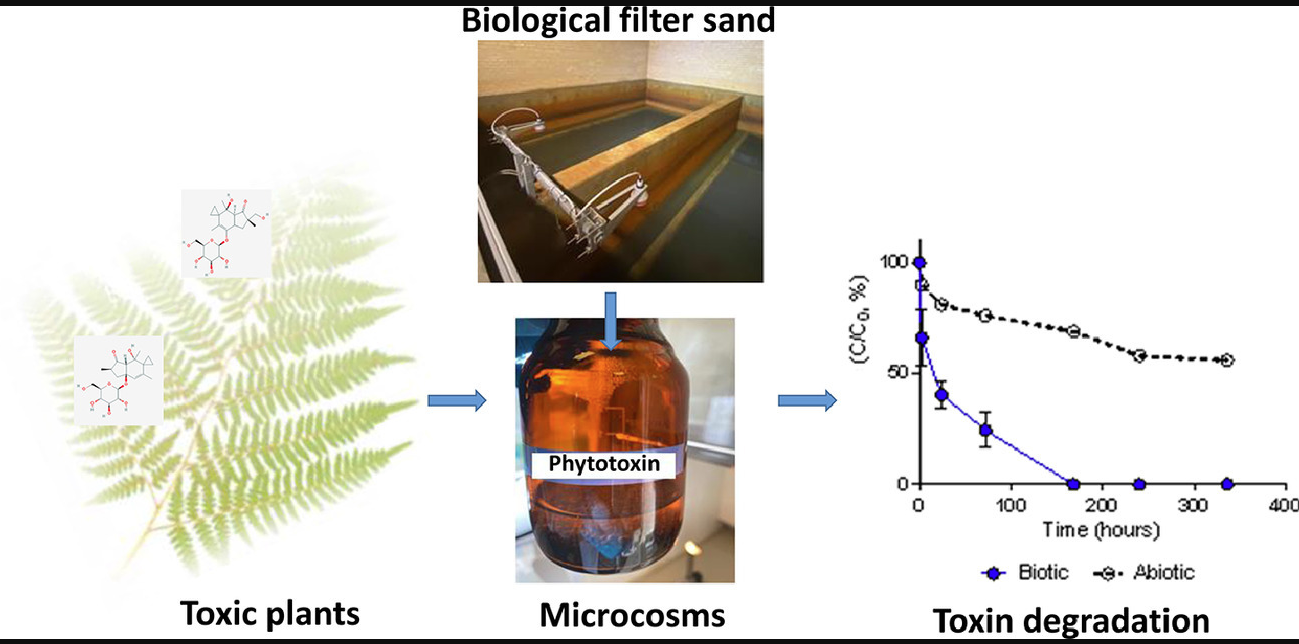
Removal of phytotoxins in filter sand used for drinking water treatment
researchers from Denmark are studying phytotoxins – those produced by plants – from the potential of them being contaminants with the potential to impair drinking water quality. Of several different phytotoxins spiked into groundwater and ultimately treated by 5 different filter types, two of them, jacobine N-oxide and senecionine N-oxide, were found to be non-biodegradable. They were also able to identify some degradation products.
Drinking Water DBPs & Congenital Malformations
The study examined 623,468 births and concluded that “TTHM exposure was associated with the increased risk of malformations of the nervous system, urinary system, genitals, and limbs in areas exclusively using chloramine. An association between chloramine-related chlorination by-products and congenital malformations has not previously been highlighted and needs further attention.”
Quantifying Nanoparticle Associated Ti, Ce, Au, and Pd Occurrence in 35 U.S. Surface Waters
It provides baseline concentrations and sizes for typical occurrence of natural and anthropogenic (manufactured) nanoparticles (NPs) including gold, cerium, titanium, and palladium (Au, Ce, Ti, and Pd) in US drinking water sources.
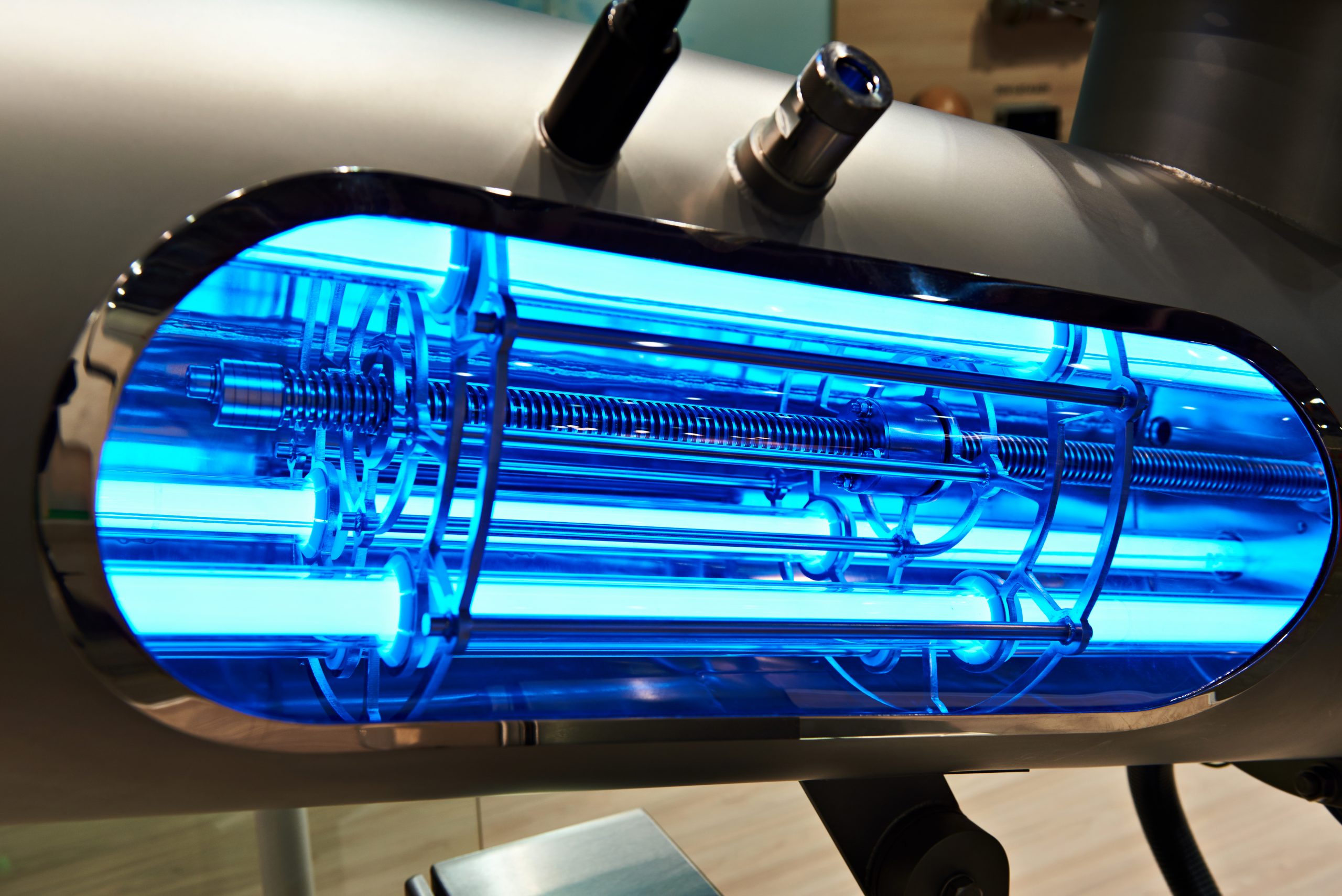
Sensitivity of Bacteria, Protozoa, Viruses, and Other Microorganisms to Ultraviolet Radiation
An article published in the Journal of Research of the National Institute of Standards and Technology provides five tables of recommended fluences (dosages) for 1 to 5 log reduction of spores, bacteria, protozoa, viruses, and algae and other large microorganisms.

Decay of infectious SARS-CoV-2 and surrogates in aquatic environments
A recently published study found that persistence of viable SARS-CoV-2 was temperature dependent, remaining infectious for significantly longer periods of time in freshwater at 4°C than at 20°C. This is consistent with other viruses. The T90 for infectious SARS-CoV-2 in river water was 2.3 days and 3.8 days at 20°C and 4°C, respectively, but the viral RNA was much more stable (remained detectable for the 20 day duration of the experiment).
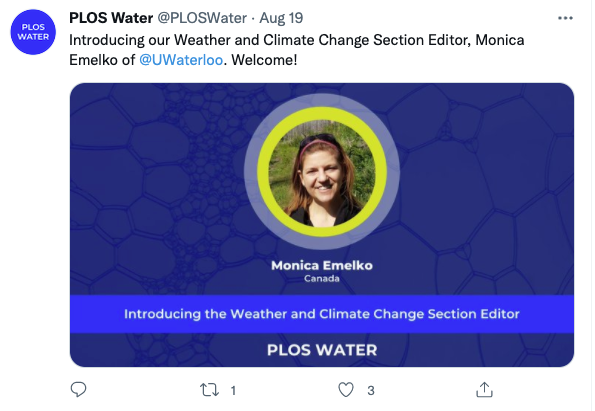
Monica Emelko named Climate Change section editor at PLOS Water
Monica Emelko shares insight into the water quality issues that arise after a wildfire.
In The Press
Praesent lectus leo, convallis id neque nec, ultrices euismod nibh. Sed ac rhoncus quam. Fusce tristique tellus diam, vel porta eros iaculis vitae.
On-Going Research
Praesent lectus leo, convallis id neque nec, ultrices euismod nibh. Sed ac rhoncus quam. Fusce tristique tellus diam, vel porta eros iaculis vitae.
Removal of phytotoxins in filter sand used for drinking water treatment
researchers from Denmark are studying phytotoxins – those produced by plants – from the potential of them being contaminants with the potential to impair drinking water quality. Of several different phytotoxins spiked into groundwater and ultimately treated by 5 different filter types, two of them, jacobine N-oxide and senecionine N-oxide, were found to be non-biodegradable. They were also able to identify some degradation products.
Drinking Water DBPs & Congenital Malformations
The study examined 623,468 births and concluded that “TTHM exposure was associated with the increased risk of malformations of the nervous system, urinary system, genitals, and limbs in areas exclusively using chloramine. An association between chloramine-related chlorination by-products and congenital malformations has not previously been highlighted and needs further attention.”
Quantifying Nanoparticle Associated Ti, Ce, Au, and Pd Occurrence in 35 U.S. Surface Waters
It provides baseline concentrations and sizes for typical occurrence of natural and anthropogenic (manufactured) nanoparticles (NPs) including gold, cerium, titanium, and palladium (Au, Ce, Ti, and Pd) in US drinking water sources.
Sensitivity of Bacteria, Protozoa, Viruses, and Other Microorganisms to Ultraviolet Radiation
An article published in the Journal of Research of the National Institute of Standards and Technology provides five tables of recommended fluences (dosages) for 1 to 5 log reduction of spores, bacteria, protozoa, viruses, and algae and other large microorganisms.
Decay of infectious SARS-CoV-2 and surrogates in aquatic environments
A recently published study found that persistence of viable SARS-CoV-2 was temperature dependent, remaining infectious for significantly longer periods of time in freshwater at 4°C than at 20°C. This is consistent with other viruses. The T90 for infectious SARS-CoV-2 in river water was 2.3 days and 3.8 days at 20°C and 4°C, respectively, but the viral RNA was much more stable (remained detectable for the 20 day duration of the experiment).
Monica Emelko named Climate Change section editor at PLOS Water
Monica Emelko shares insight into the water quality issues that arise after a wildfire.
Discover The Future
We are a multi-disciplinary laboratory committed to focussed and efficient drug discovery