Latest Publications
Praesent lectus leo, convallis id neque nec, ultrices euismod nibh. Sed ac rhoncus quam. Fusce tristique tellus diam, vel porta eros iaculis vitae.
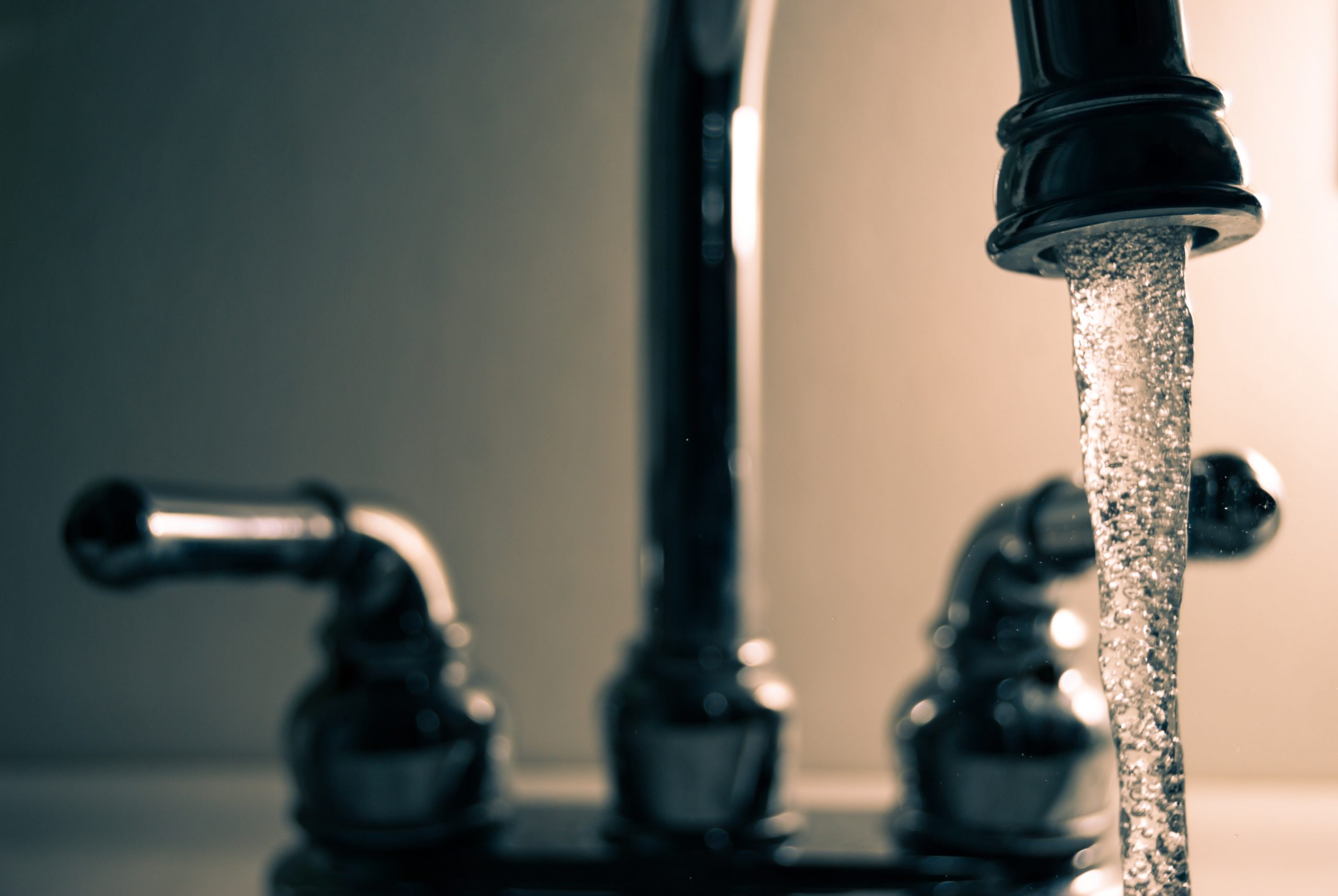
Data from Unregulated Contaminant Monitoring Rules-4 published
EPA uses the Unregulated Contaminant Monitoring Rule (UCMR) program to collect nationally representative data for contaminants suspected to be present in drinking water, but that do not have regulatory standards. UCMR 4 requires monitoring for 30 chemicals between 2018 and 2020.
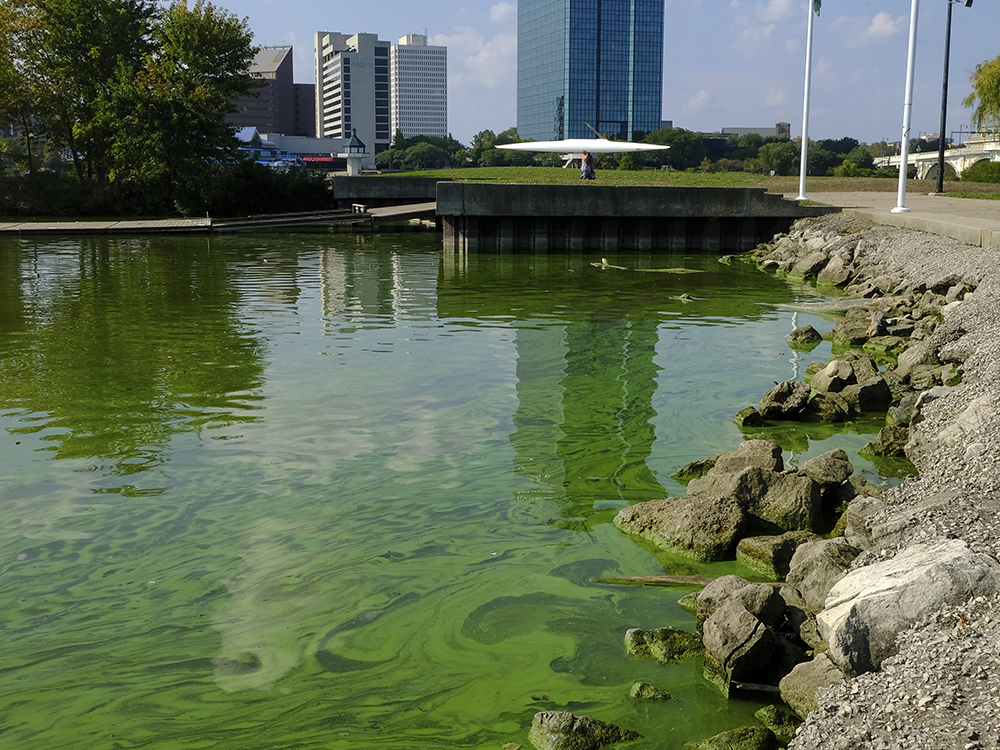
The detection of airborne anatoxin-a during a harmful algal bloom
A study just published in the journal ‘Lake and Reservoir Management’ is the first to report “airborne anatoxin-a (ATX) collected outside an aquatic ecosystem.” In addition to potential recreational exposure and in association with irrigation systems, this could theoretically have implications for drinking water treatment.
4-Chloro-2-methylphenoxyacetic Acid (MCPA) in Drinking Water: Guideline Technical Document for Public Consultation
This guideline technical document outlines the evaluation of the available information on 4-chloro-2-methylphenoxyacetic acid (MCPA) with the intent of updating the guidelines for MCPA in drinking water. The purpose of this consultation is to solicit comments on the proposed guidelines, on the approach used for its development, and on the potential impacts of implementing it.
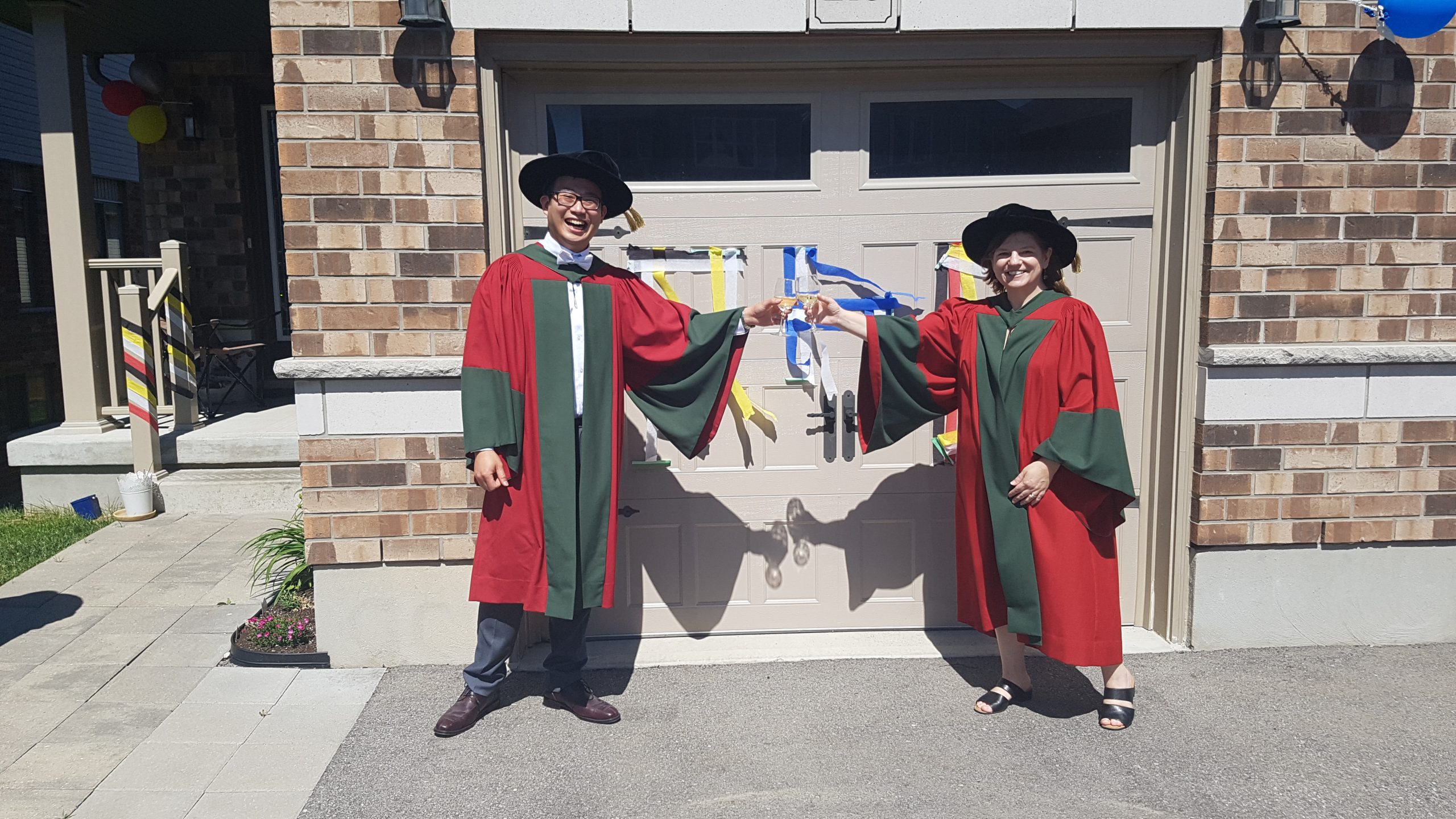
Alex Chik wins prestigious 1st place AWWA dissertation award
The WaterSTP group is pleased to announce that recent graduate, Dr. Alex Ho Shing Chik, has received the 2021 American Water Works Association (AWWA) first place Academic Achievement Award for his doctoral dissertation.
Toxic Cyanobacteria in Water: A Guide to Their Public Health Consequences, Monitoring and Management
Briefly, it presents the current state of knowledge on cyanobacteria and cyanotoxins, and from a drinking water treatment perspective it provides guidance for monitoring and controlling risks in source water and at intakes.
Guidelines for Canadian Drinking Water Quality: Guideline Technical Document – Aluminum
There are changes from the 1998 guideline, which it replaces, and from the August 30 2019 proposed values when it was posted for comment. The new “maximum acceptable concentration (MAC) for total aluminum in drinking water is 2.9 mg/L (2,900 µg/L) based on a locational running annual average of a minimum of quarterly samples taken in the distribution system.
In The Press
Praesent lectus leo, convallis id neque nec, ultrices euismod nibh. Sed ac rhoncus quam. Fusce tristique tellus diam, vel porta eros iaculis vitae.
On-Going Research
Praesent lectus leo, convallis id neque nec, ultrices euismod nibh. Sed ac rhoncus quam. Fusce tristique tellus diam, vel porta eros iaculis vitae.
Data from Unregulated Contaminant Monitoring Rules-4 published
EPA uses the Unregulated Contaminant Monitoring Rule (UCMR) program to collect nationally representative data for contaminants suspected to be present in drinking water, but that do not have regulatory standards. UCMR 4 requires monitoring for 30 chemicals between 2018 and 2020.
The detection of airborne anatoxin-a during a harmful algal bloom
A study just published in the journal ‘Lake and Reservoir Management’ is the first to report “airborne anatoxin-a (ATX) collected outside an aquatic ecosystem.” In addition to potential recreational exposure and in association with irrigation systems, this could theoretically have implications for drinking water treatment.
4-Chloro-2-methylphenoxyacetic Acid (MCPA) in Drinking Water: Guideline Technical Document for Public Consultation
This guideline technical document outlines the evaluation of the available information on 4-chloro-2-methylphenoxyacetic acid (MCPA) with the intent of updating the guidelines for MCPA in drinking water. The purpose of this consultation is to solicit comments on the proposed guidelines, on the approach used for its development, and on the potential impacts of implementing it.
Alex Chik wins prestigious 1st place AWWA dissertation award
The WaterSTP group is pleased to announce that recent graduate, Dr. Alex Ho Shing Chik, has received the 2021 American Water Works Association (AWWA) first place Academic Achievement Award for his doctoral dissertation.
Toxic Cyanobacteria in Water: A Guide to Their Public Health Consequences, Monitoring and Management
Briefly, it presents the current state of knowledge on cyanobacteria and cyanotoxins, and from a drinking water treatment perspective it provides guidance for monitoring and controlling risks in source water and at intakes.
Guidelines for Canadian Drinking Water Quality: Guideline Technical Document – Aluminum
There are changes from the 1998 guideline, which it replaces, and from the August 30 2019 proposed values when it was posted for comment. The new “maximum acceptable concentration (MAC) for total aluminum in drinking water is 2.9 mg/L (2,900 µg/L) based on a locational running annual average of a minimum of quarterly samples taken in the distribution system.
Discover The Future
We are a multi-disciplinary laboratory committed to focussed and efficient drug discovery